

LA MOUNIÈRE | HOUSE OF MEMORIES: THE MUSEUM SPACE
Discover local narratives with global significance
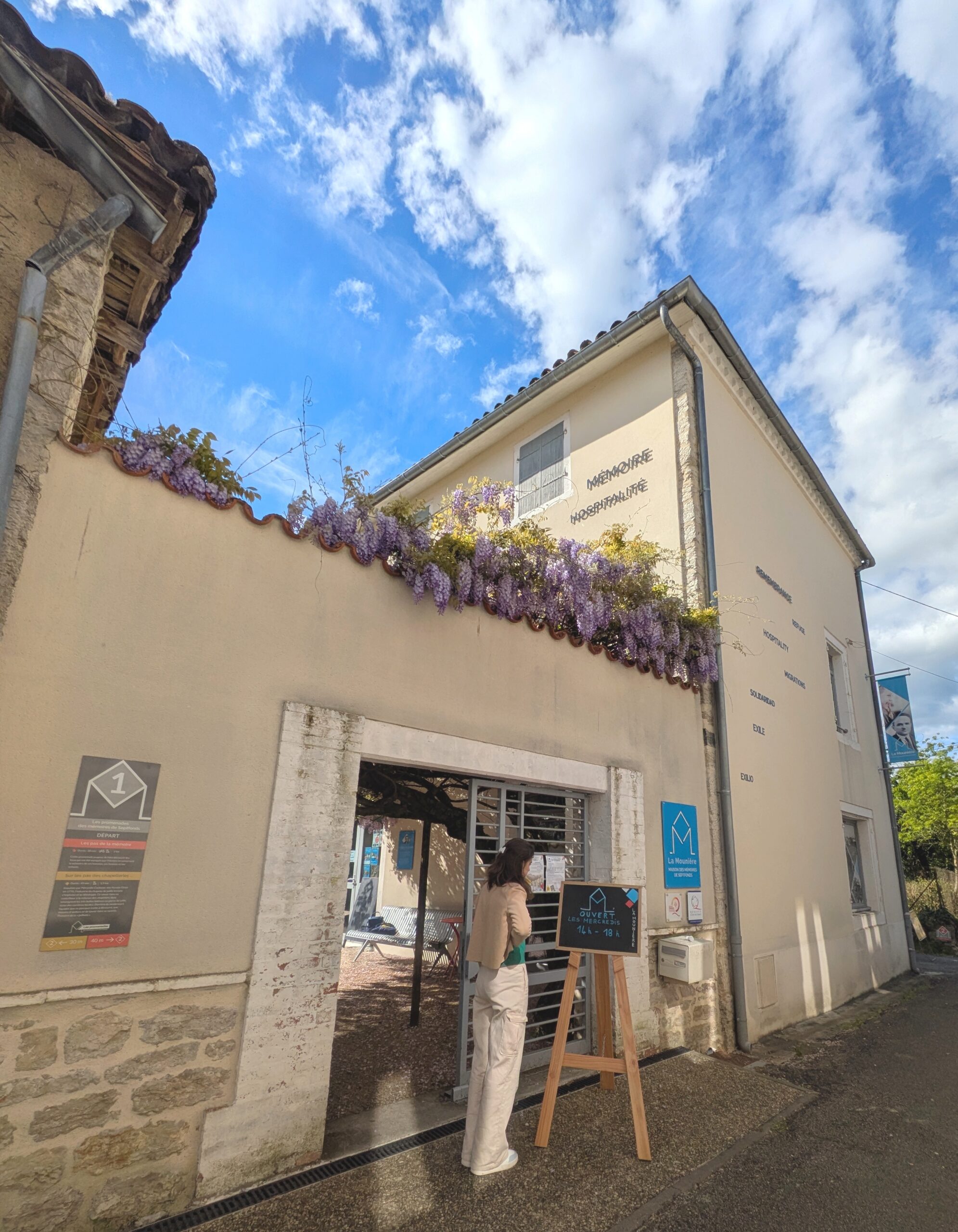
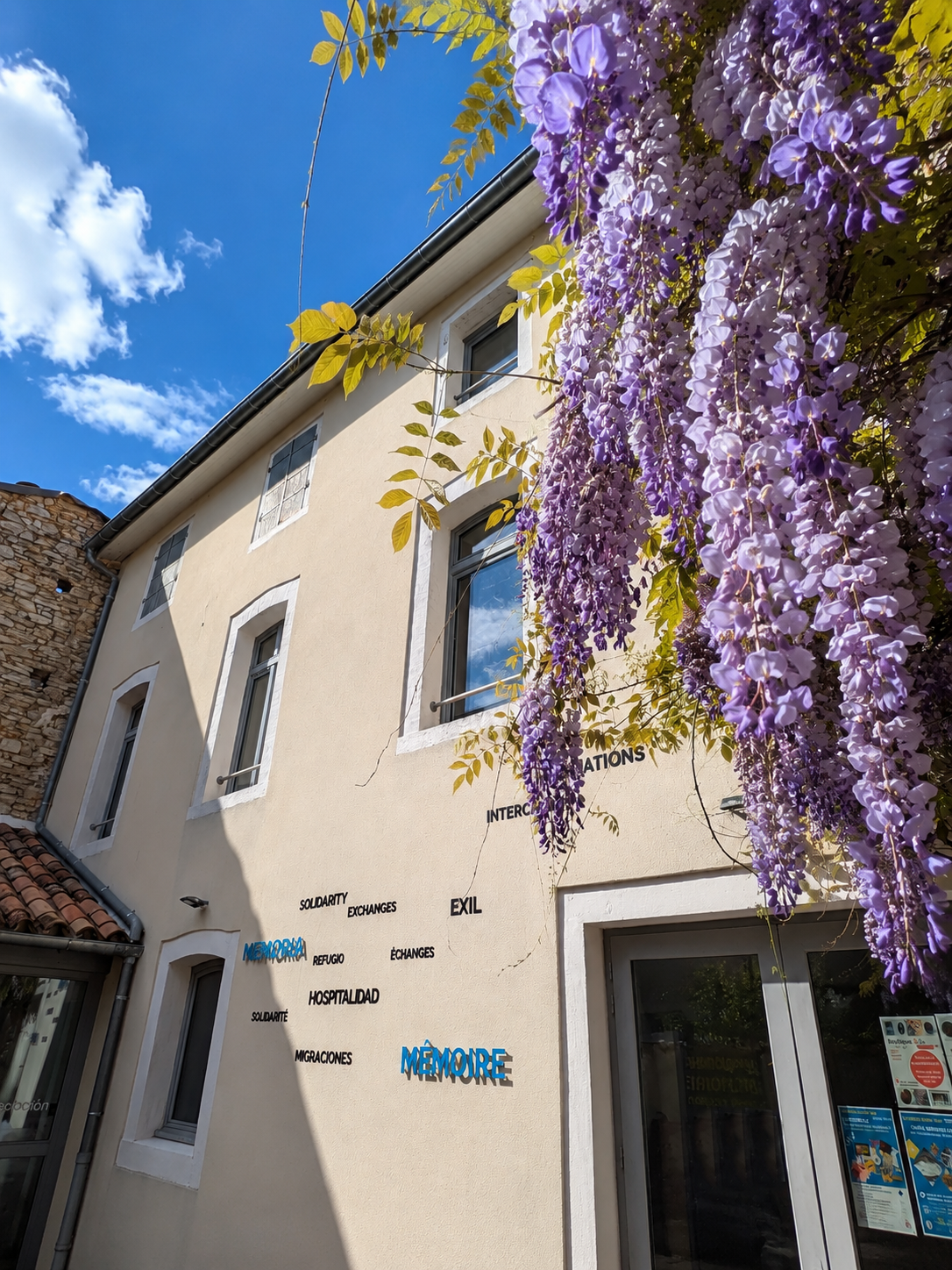
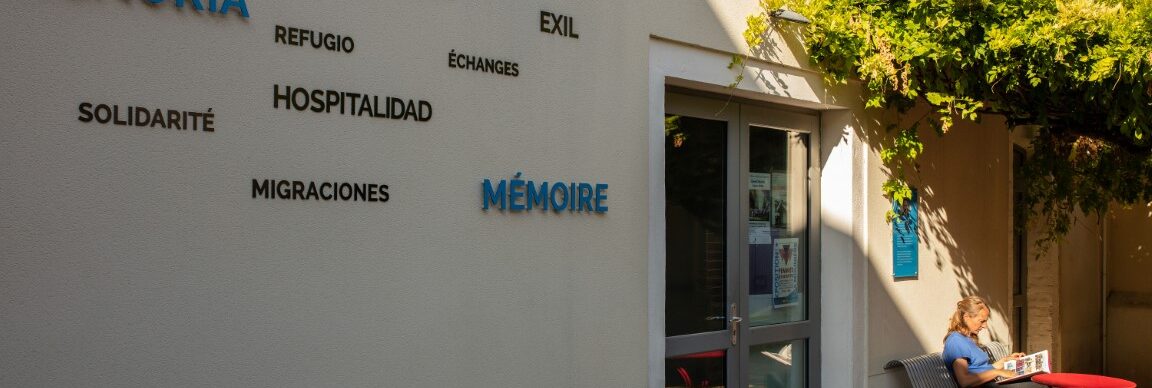
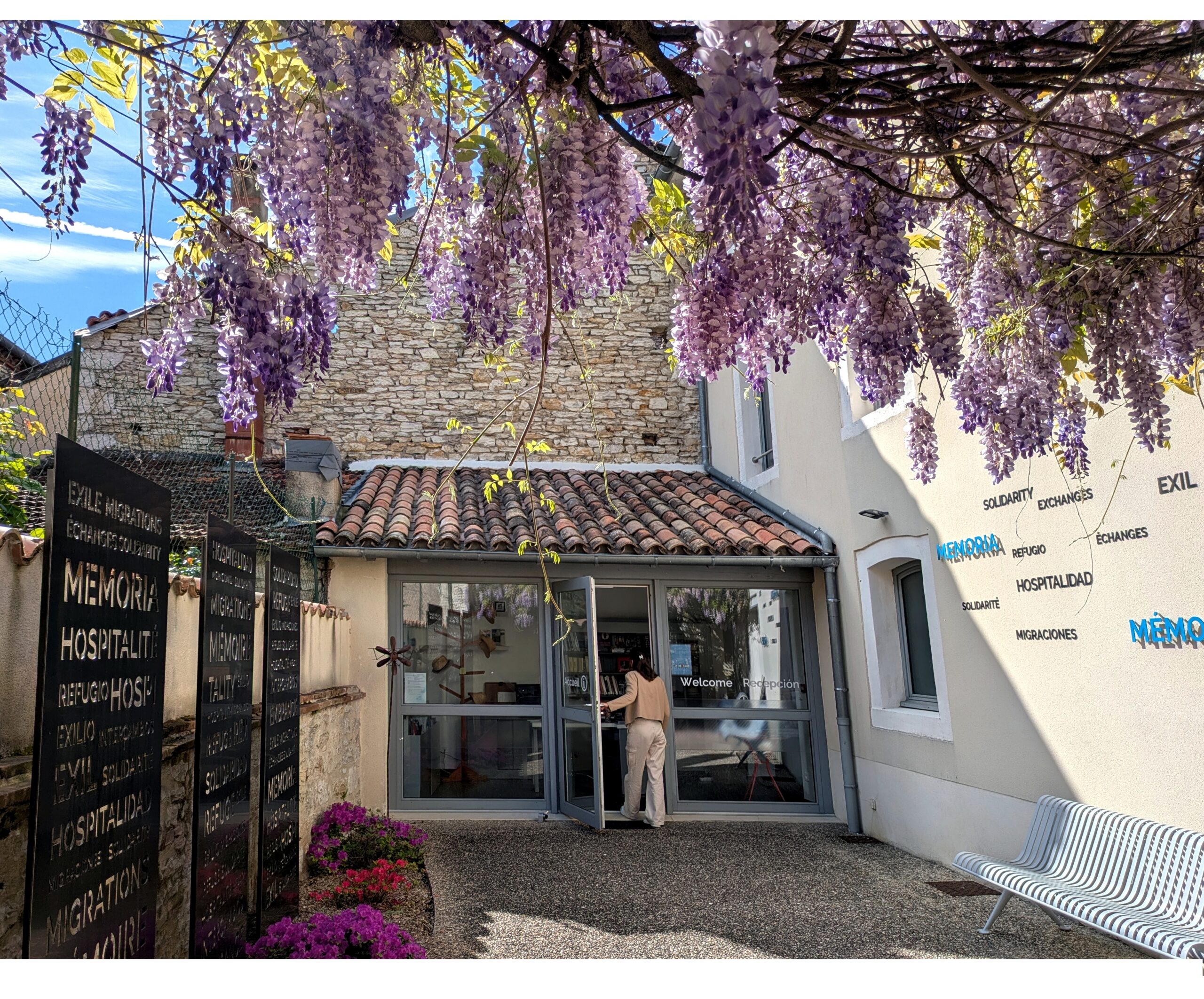
It was in this iconic house in the history of Septfonds that Raymond Peyrières—a beret manufacturer and sales representative—lived. A communist Resistance fighter, he was arrested in 1941 alongside other local residents, and subsequently deported to Dachau. Located on a street whose name serves as a reminder of the deportees’ fate, this stone house was acquired by the municipality to turn it into a place of heritage, memory, and transmission.
emergence Straw Hat making and the emergence of flourishing industry: What began as traditional craftsmanship grew into a thriving industry, exporting hats across the globe. By the late 19th century, hat-making was considered the department’s primary industry, establishing the region as one of France’s top three hat-making centers.
Aviation and the Journey of Dieudonné Costes: Born in Septfonds, this decorated World War I flying ace and aviation pioneer rose to fame in 1930 for making the first non-stop transatlantic flight from Paris to New York aboard the Point d’Interrogation.
1939-1946, the Judes camp and the policy of interning foreigners who were considered to be undesirable: Opened in 1939, the camp was initially used to inter refugees fleeing the Spanish Civil War. Under the Vichy regime, it became an internment site for foreign Jews prior to their deportation to Nazi extermination camps. The Judes Camp remained open until the end of World War II before being dismantled. La Mounière – House of Memories of the Town of Septfonds is part of the Network of Shoah Memory Sites in France, coordinated by the Mémorial de la Shoah in Paris. To delve deeper into the history surrounding the camp, visitors can continue to the Camp Memorial (located on the outskirts of the village)—officially recognized as a place of democratic memory by the Spanish government—as well as other memory sites across the municipality, notably the Spanish Cemetery, the only cemetery in France containing the graves of Spanish Republicans who died in the camp hospital.
La Mounière is all about: 3 local memories weaving together personal stories and major historical events, telling the tale of a region, unique destinies, and milestones that shaped our shared heritage. Eager to discover more? Come and enjoy an enriching experience at La Mounière: outdoor trails, memory sites, digital tools, exhibitions, concerts, talks, workshops, guided tours, and more!
Download our visit tools
The walks
Two promenades have been devised to help visitors understand the history of Septfonds: the first focuses on the architecture shaped by the hat making industry, while the other takes in remembrance sites related to the conflicts of the 20th century.
The beautiful houses made of Septfonds stone from nearby quarries or from bricks, bear witness to the wealth of the hat makers who made their fortunes in the 19 th and 20th centuries. They now proudly represent the emblematic heritage of the original hat making town centre, This walk can be completed by a visit to Caussade, another hat making town with a common history.
The refugees arrived at the Borredon railway station and walked 8km to the Judes internment camp. The promenade also takes in the Spanish cemetery, a memorial to deported Jews, a Polish oratory, the war memorial and the commune’s cemetery. These remembrance promenades are enriched by historical places and works of art reflecting the supportive reaction of the inhabitants and their institutions – church, municipality – towards the refugees.
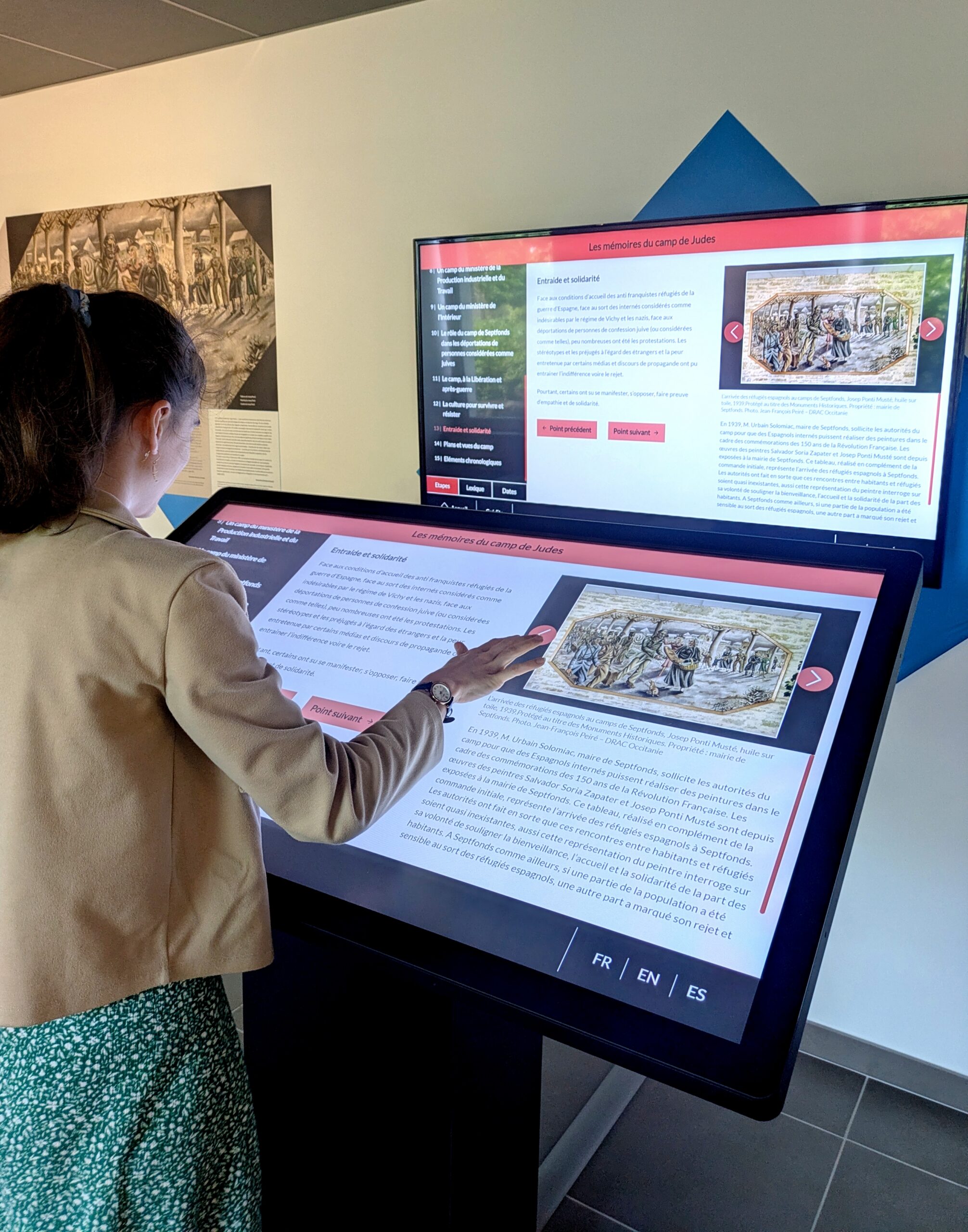
All the panels, multimedia content and the digital application “Septfonds, a camp, memories” are translated into Spanish and English.
GUESTBOOK
Thank you for these three very interesting tours, and for the clear and lively explanations from the team at La Mounière.
Hélène
August 2022
Fascinating, we learned a lot across different topics. Thank you to the guide who explained everything so simply.
Didier
September 2022
Visually engaging, this museum provokes just as much thought as conversation. Thank you.
A student from Pierre Bayrou Middle School in Saint-Antonin-Noble-Val.
April 2022
We took two 10th-grade classes on a school trip. […] We participated in three workshops focused on the Spanish refugees during the Retirada […]. We were fortunate to have each workshop led by the three educators across three groups. The students were interested and enthusiastic […]. I highly recommend this very professional and dynamic team, and I won’t hesitate to come back both personally and professionally. Thank you again for your warm welcome.
Sandra
April 2026
Really interesting and informative. The guide was top-notch
Raymond
May 2025
Superb tour! I live near Septfonds, yet I knew so little about it. Thank you for keeping the past alive. Léna. January 2020
Léna
April 2022
Follow us on Facebook, Instagram et our youtube channel
THE JUDES CAMP MEMORIAL
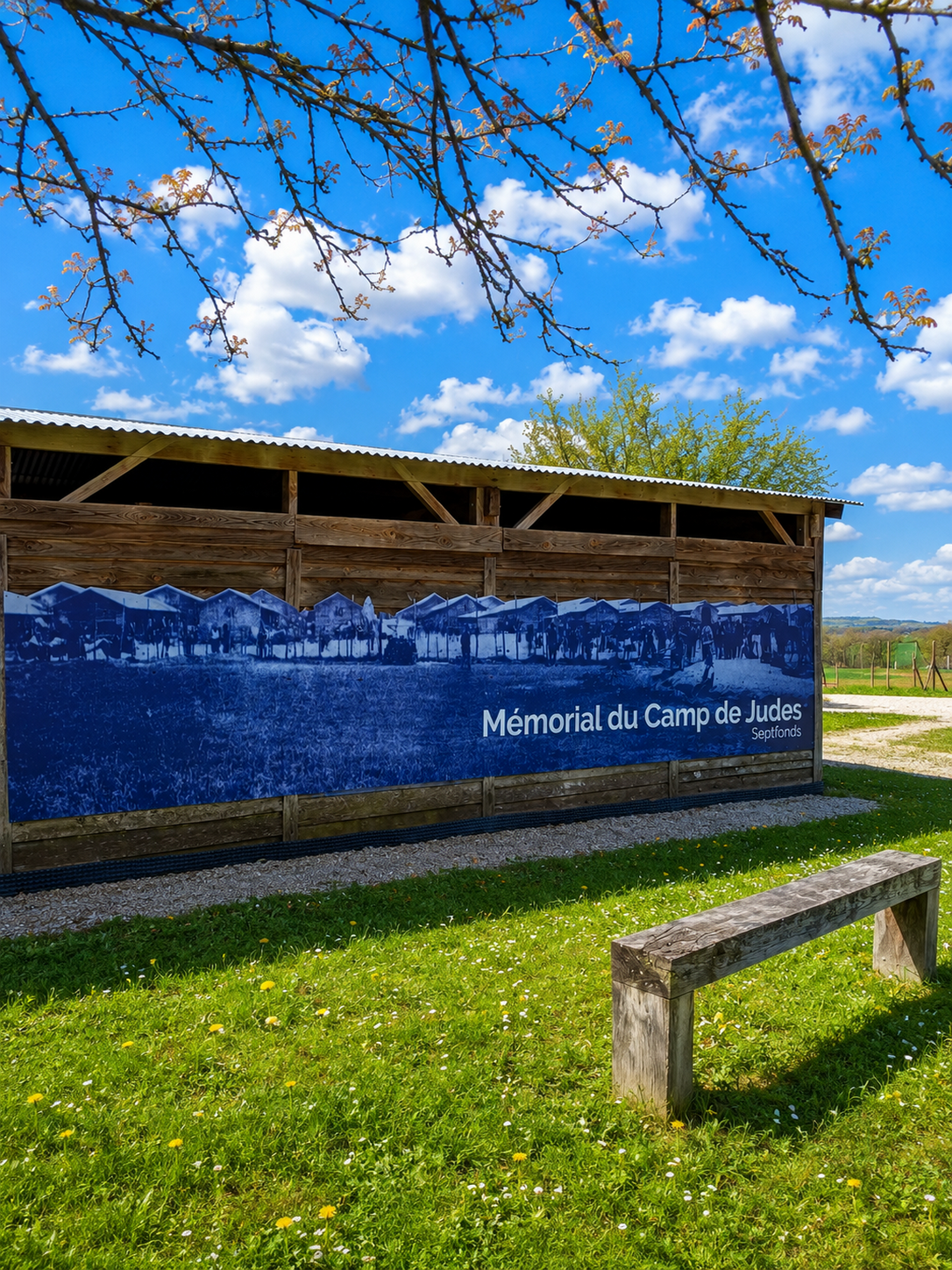
In February 1939, a plot of land in a locality known as Judes, in Septfonds, was selected by the authorities to build a camp intended to group Spanish refugees fleeing the Spanish Civil War—deemed “undesirable foreigners” by the French government. Intended to last only a few months, the camp remained open until 1946 before being dismantled. Throughout this period, diverse nationalities and destinies either coexisted or succeeded one another within the camp. In 1942, 297 Jewish men, women, and children were deported from the camp to Auschwitz.
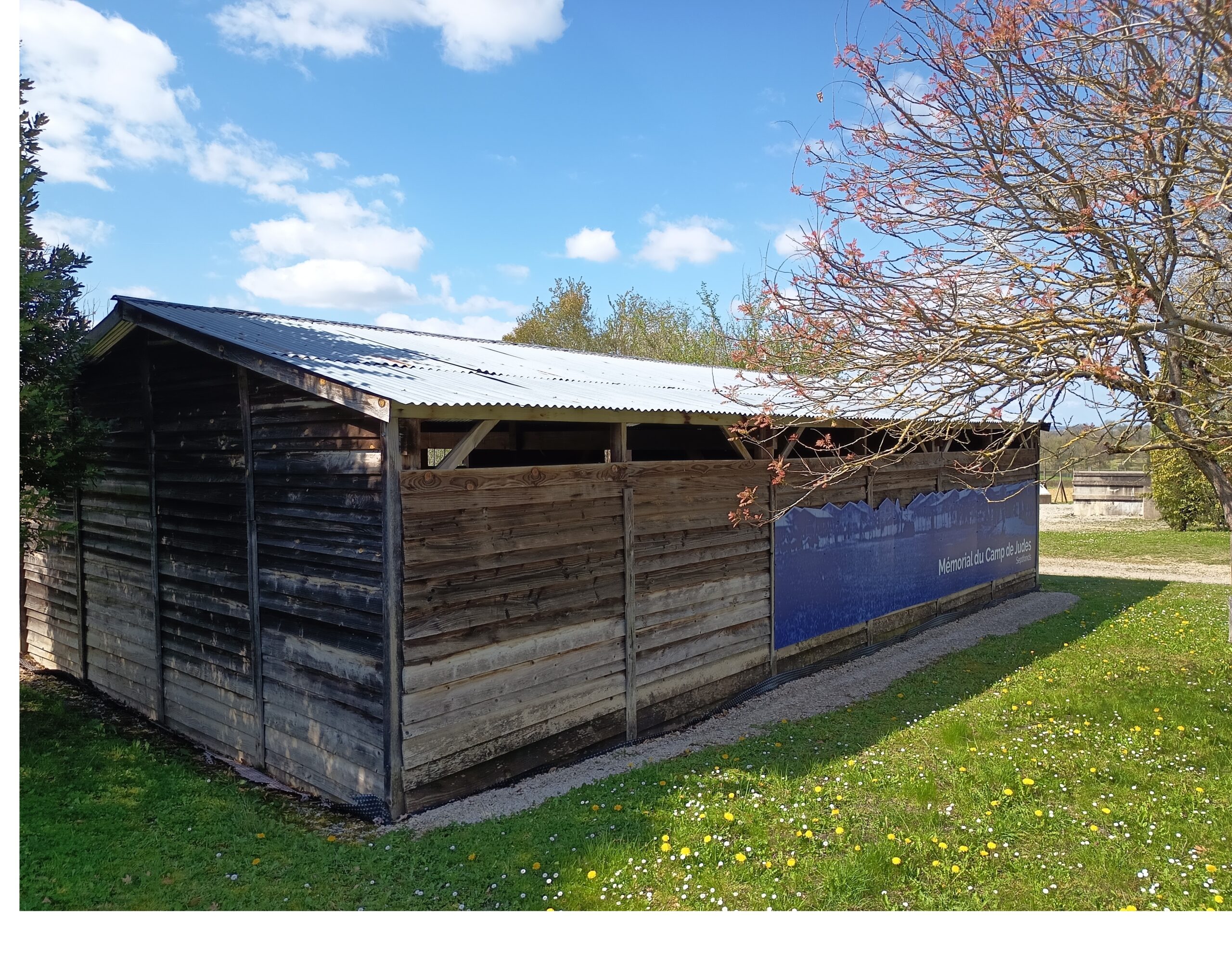
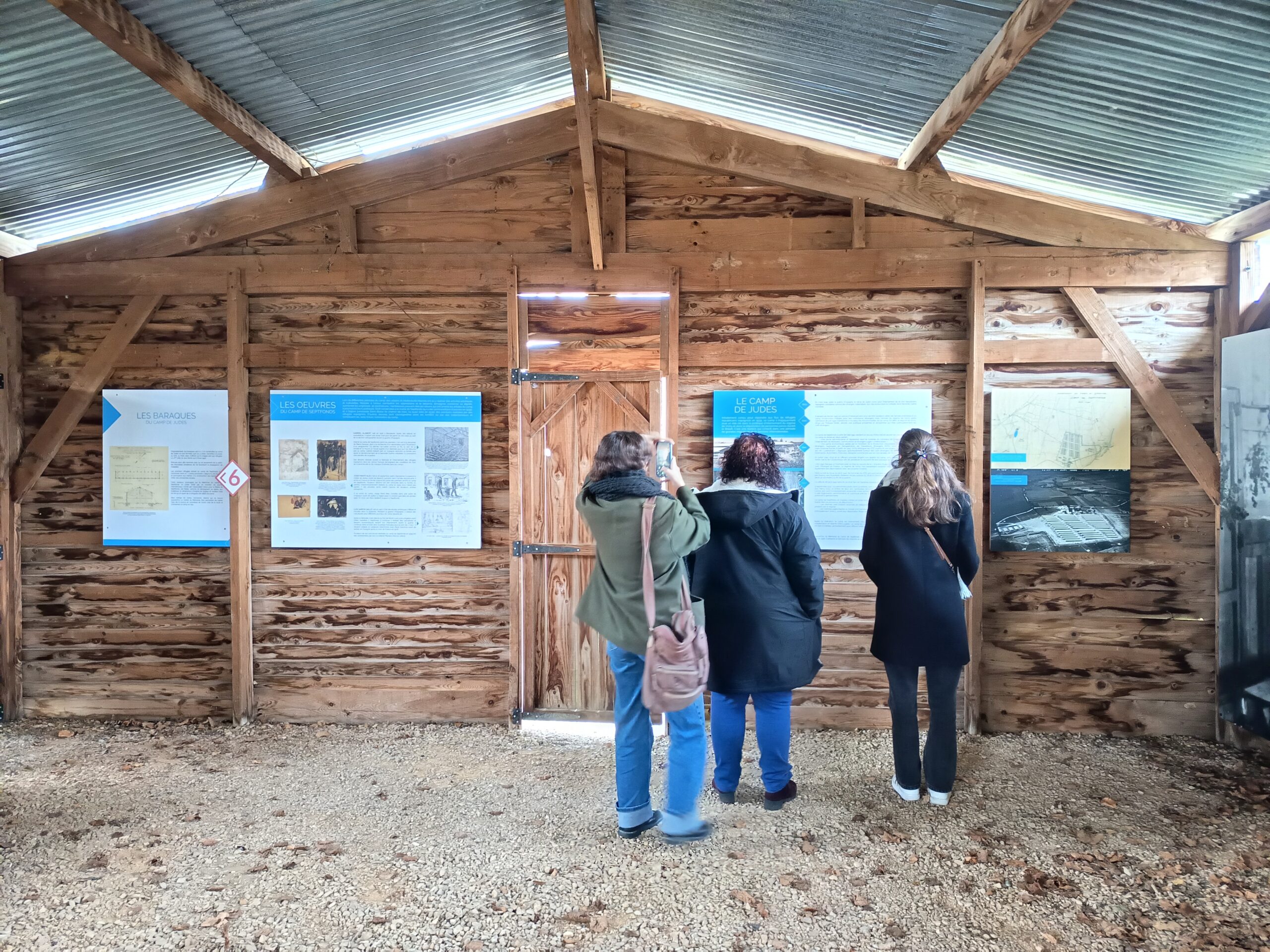
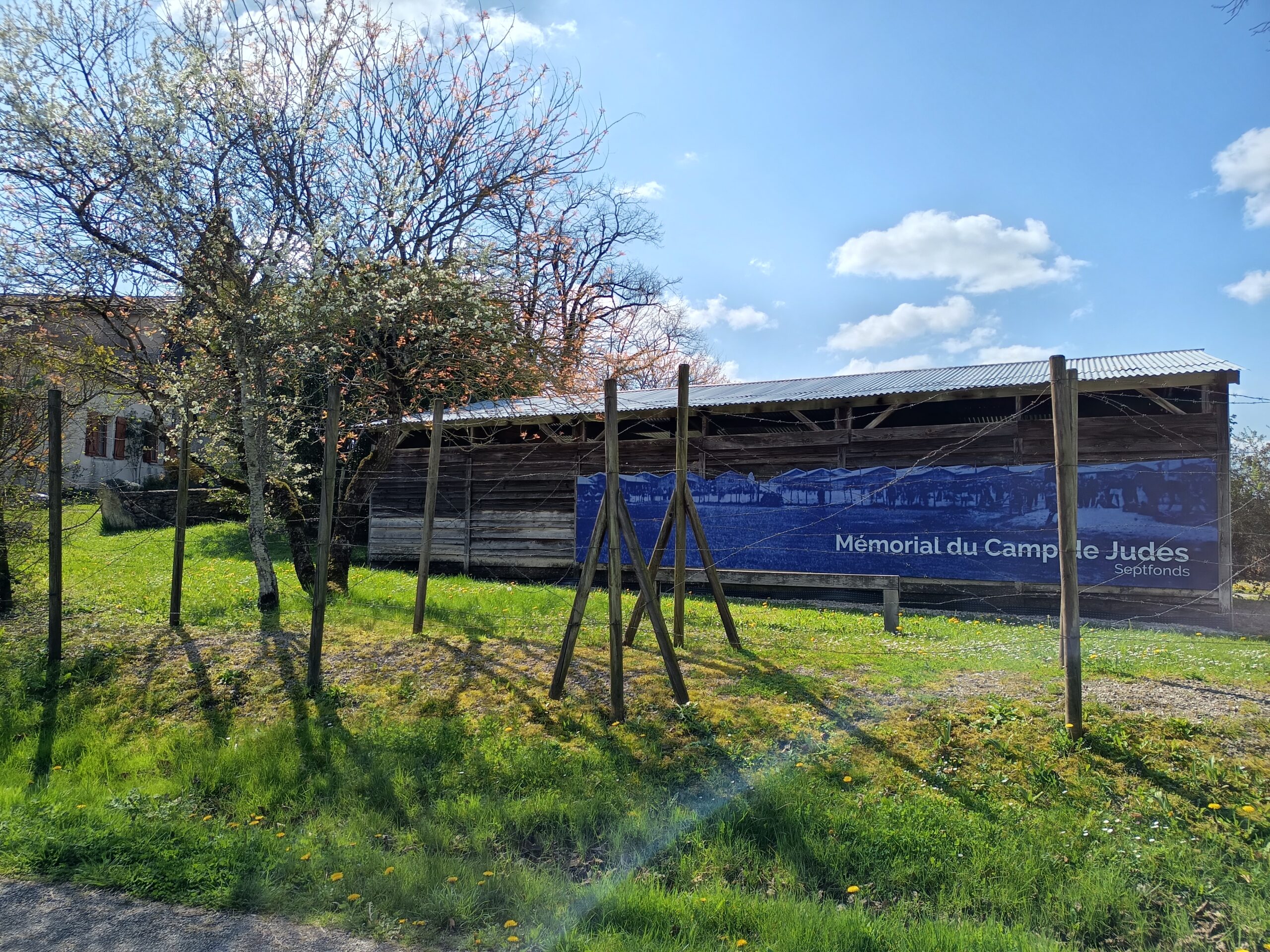
Located 2.5 km from the village of Septfonds, the Camp Memorial overlooks the 50 hectares where the camp once stood. The original water tank, interpretive panels, and a permanent exhibition inside a barrack reconstructed to a quarter of its original 1939 size recall the history of the camp, the site of memory, and the living conditions of the internees.
In 2025, the Judes Camp Memorial was officially recognized as a Place of Democratic Memory by the Spanish government, bringing it international visibility.
Application Septfonds, a camp, memories
SEPTFONDS, A CAMP, MEMORIES
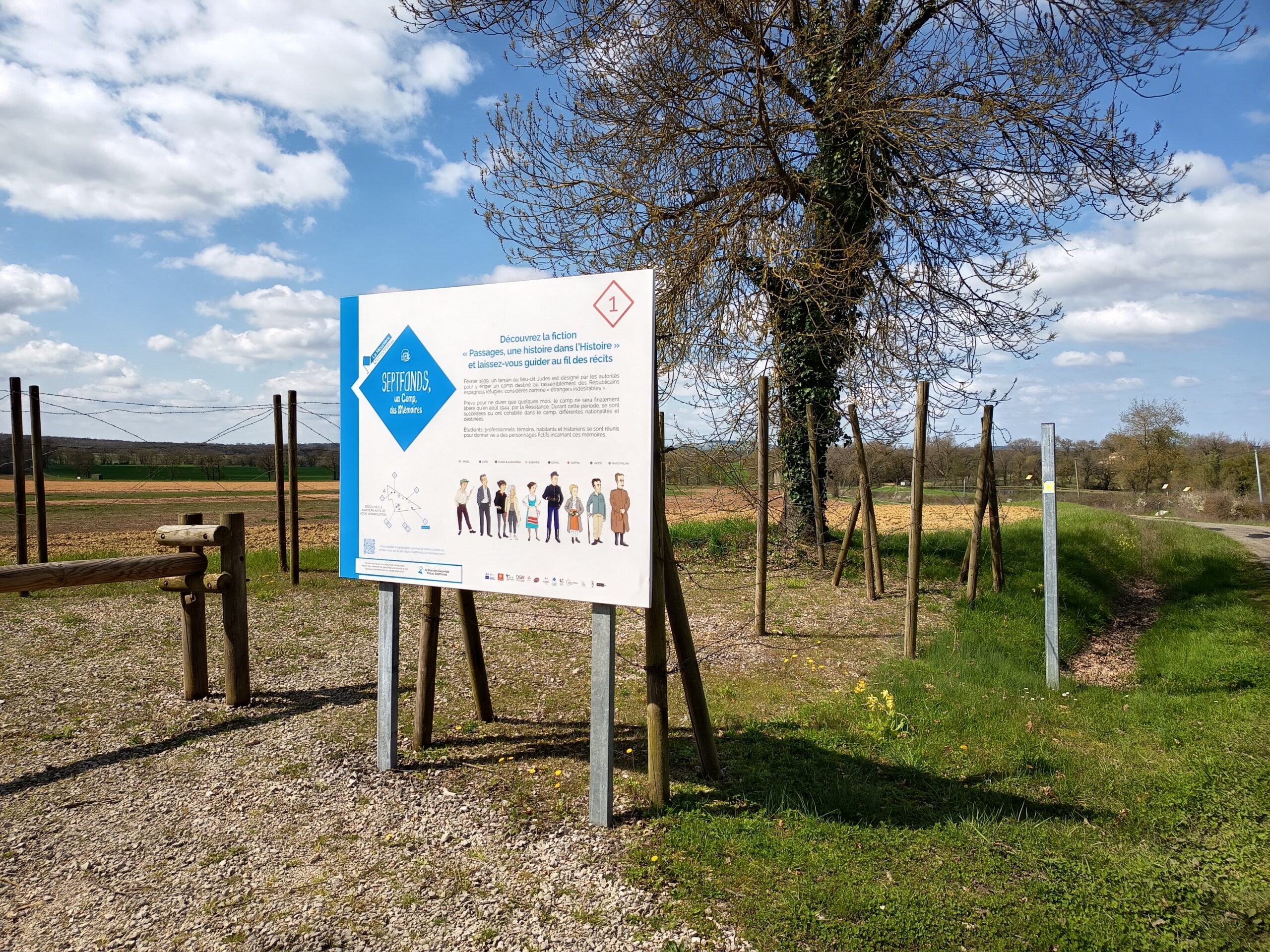
In February 1939, the authorities assigned a plot of land known as Judes to set up an internment camp for the Spanish Republican refugees, who were considered to be “undesirable foreigners”. Initially planned to last only a few months, the detainees in the camp were only liberated by the Resistance forces in August 1944. During this period, people from different countries and with different destinies followed each other or co-existed in the camp. Students, business professionals, witnesses, local residents and historians came together to breathe life into the fictional characters who embody these memories.
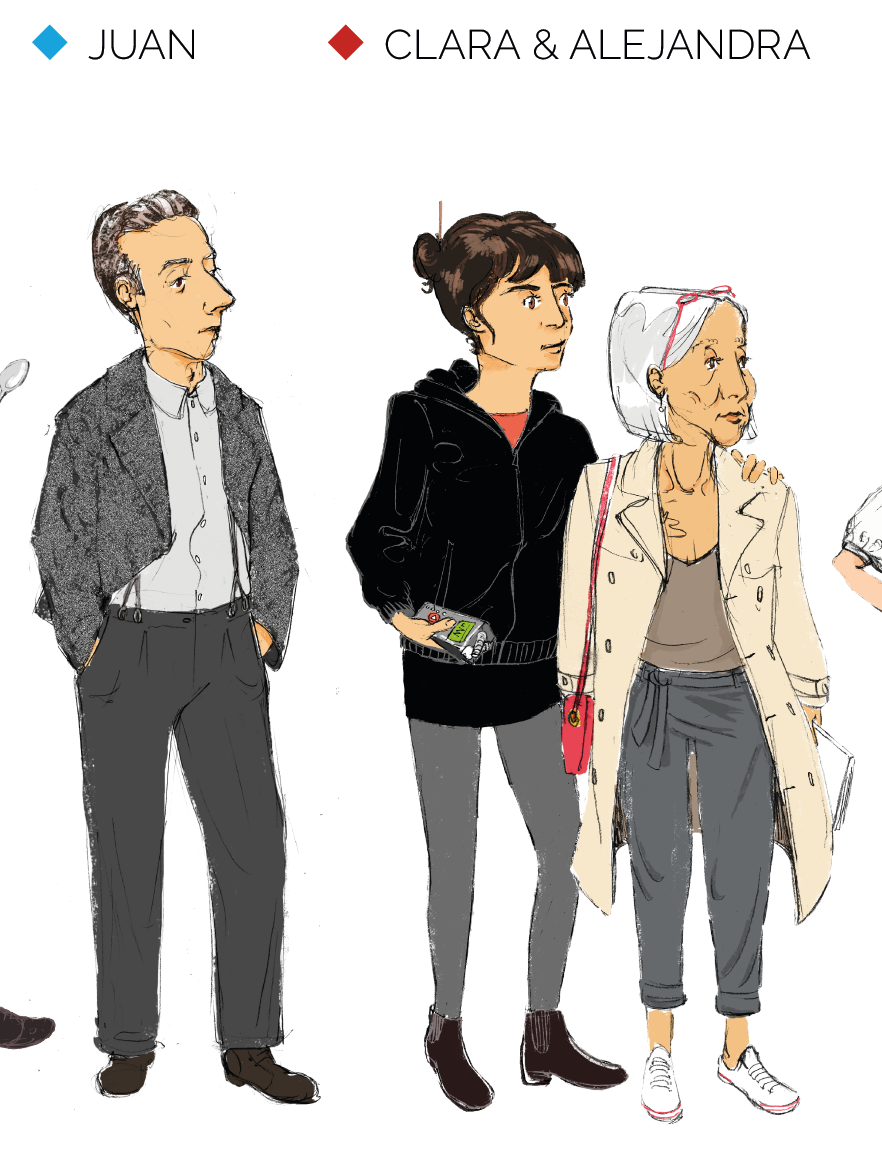
Listen to the fictional programme, “Passing through, an historical account”, let yourself be guided story by story on this Remembrance site through the imaginary adventures inspired by what actually happened in the camp and the 9 main characters.
Interactive experience : crossed paths
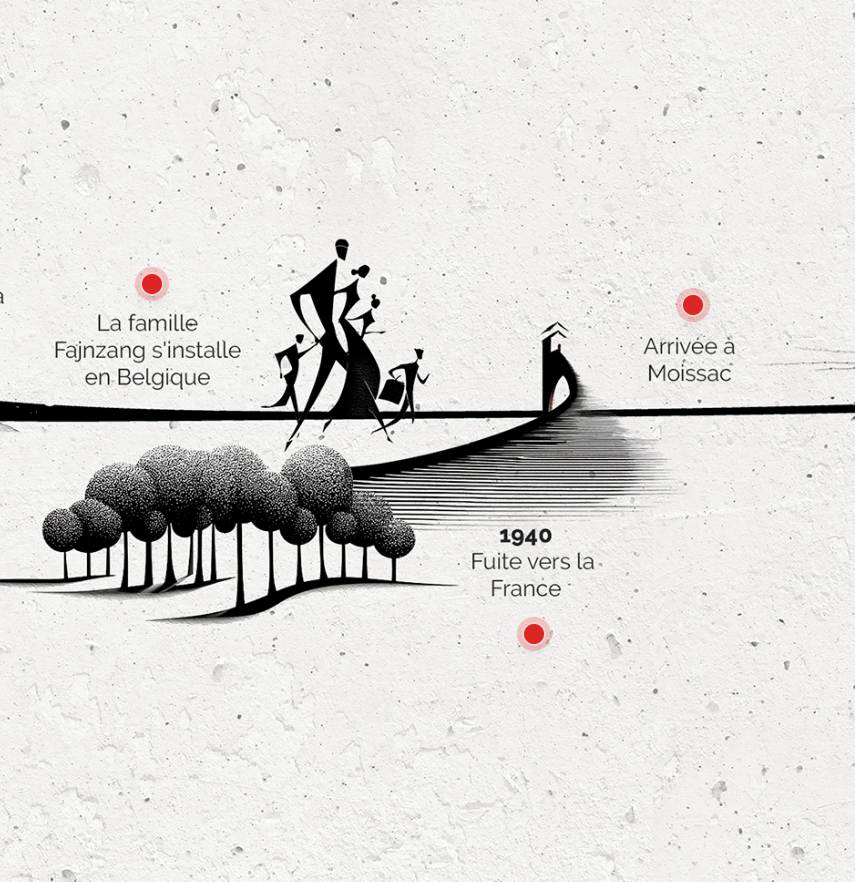
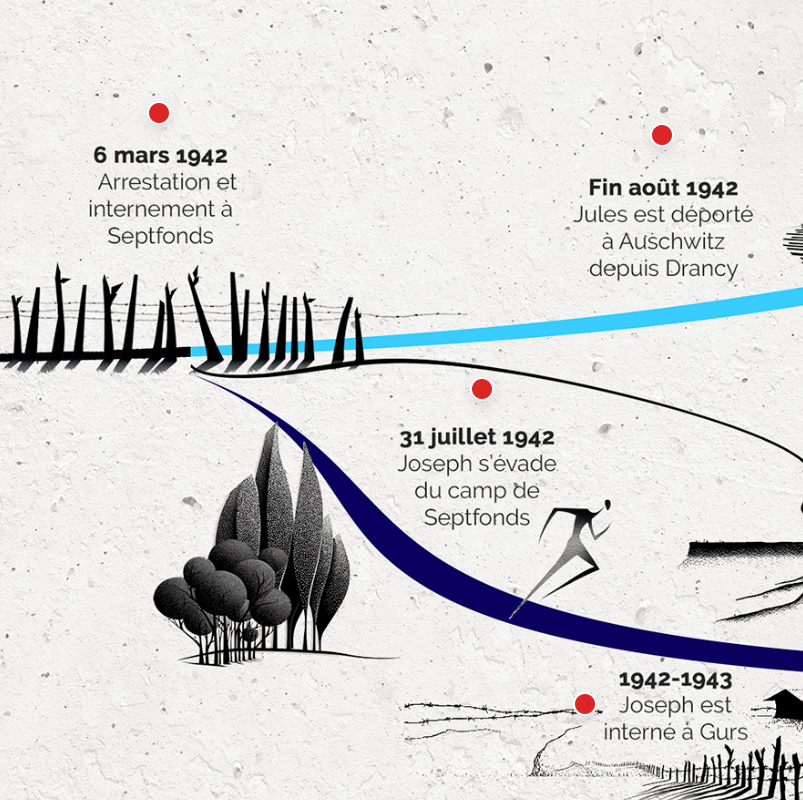
A digital experience that retraces the journeys of Jules and Joseph Fainzang through an interactive scrolling narrative.
They were among thousands, each with their own story and path. Among them were Jules and Joseph Fainzang, who passed through the Judes camp. Explore the interactive timeline and the resource section to discover the key milestones in the history of the Fainzang family.
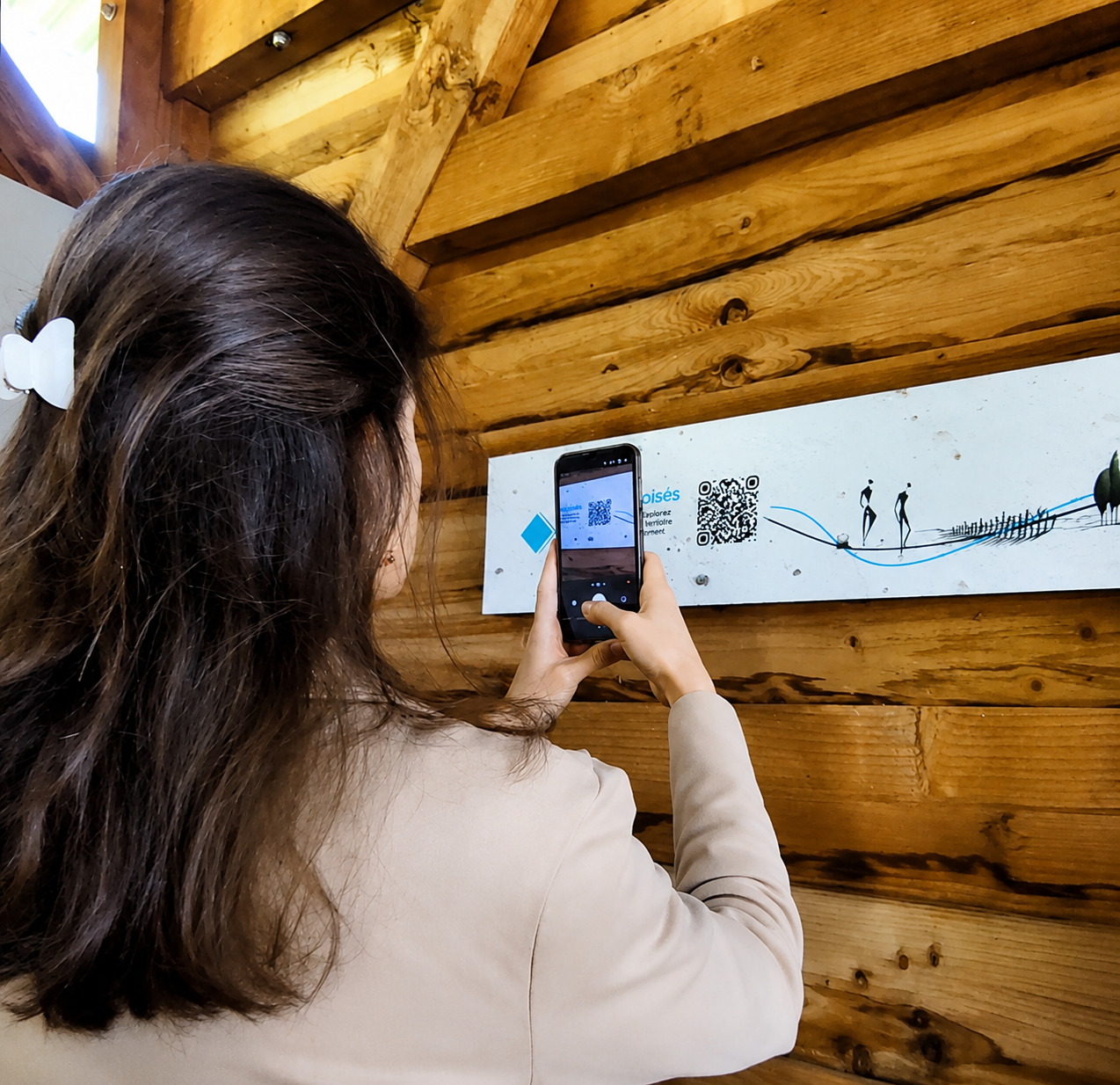
Scan the QR code to explore the interactive timeline and resources.

PRATICAL INFORMATION
PLACE
La Mounière
15, rue des déportés
82240 SEPTFONDS
e-mail: lamouniere@septfonds.fr
Tel: +33 (0)6 70 36 86 90
+33 (0)5 63 02 94 11
OPENING TIME
May-June-September: Wednesday and Saturday, 2:00 p.m.–6:00 p.m.
July-August: Wednesday to Sunday, 2:00 p.m.–6:00 p.m.
All year: Wednesday from 2:00 p.m. to 6:00 p.m., or by reservation.
PRICES
Standard price: 4 €
Reduced rates: students, pensioners, job seekers, children under 12, unaccompanied groups (from 10 people or more): 3 €/per person
Children under 6: free
Rate of accompanied visits on request



A project supported by
